
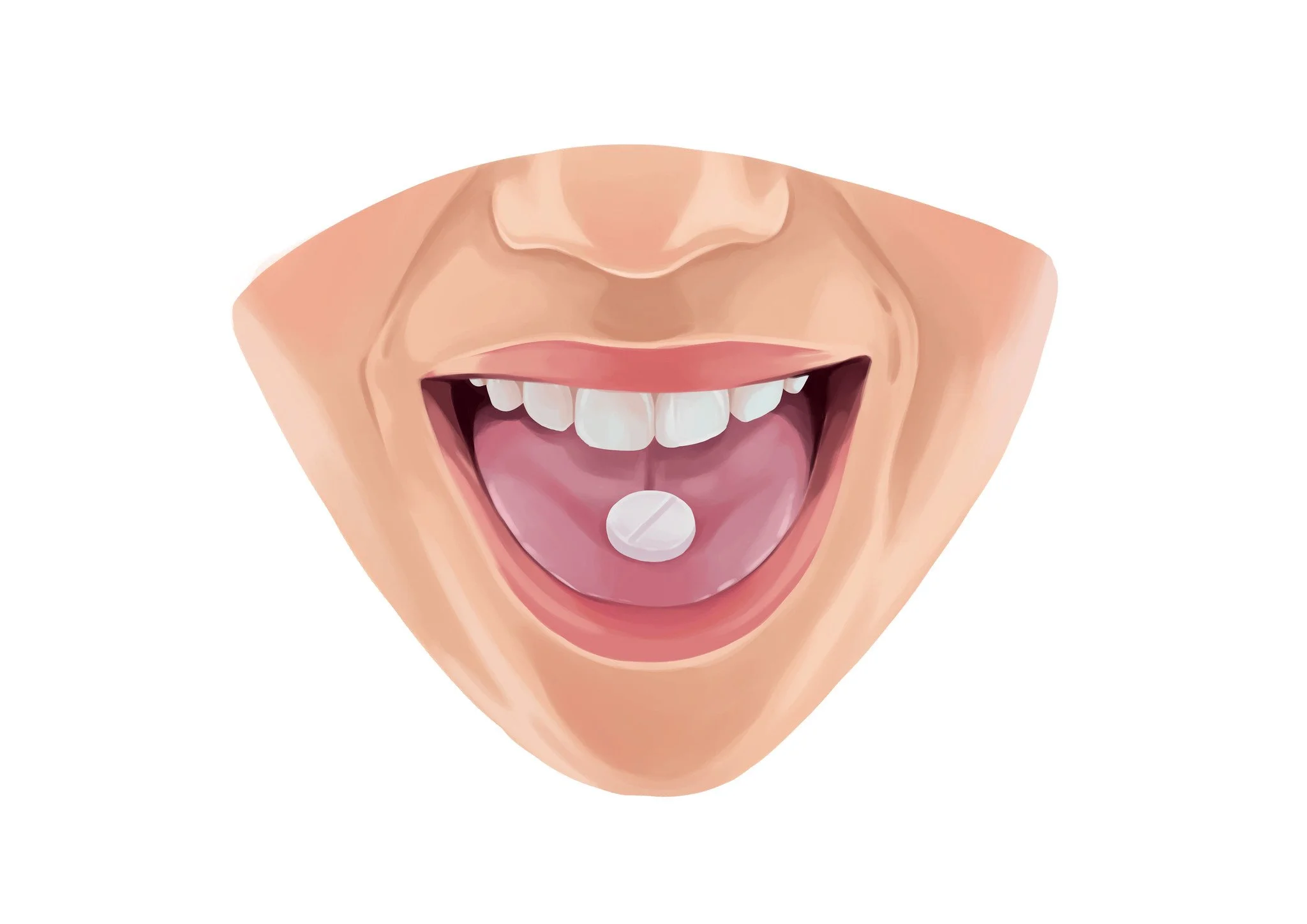
Sedation dentistry in Chico can make dental care feel much easier for patients who feel nervous, tense, or physically uncomfortable in the treatment chair. At Gary Johnson DDS, Family & Cosmetic Dentistry, Dr. Gary Johnson offers oral conscious sedation to help patients feel calm and deeply relaxed while remaining conscious. For many people, that extra support can make the difference between continuing to postpone care and finally feeling ready to schedule an appointment.
Dental anxiety can show up in several ways. You may feel uneasy for days before the visit, tense up when you hear dental instruments, or worry most about the numbing injection. In other cases, the appointment may begin comfortably, but sitting still or keeping your mouth open becomes more difficult as treatment continues.
Sedation dentistry can help with more than fear alone. It may also be useful for patients with sensitive teeth, a strong gag reflex, complex dental needs, or trouble sitting comfortably for longer periods. In other words, it can support both emotional comfort and the practical side of getting through treatment.
At his Chico, CA, office, Dr. Johnson uses oral conscious sedation to help patients enter a deeply relaxed state. You remain conscious and can still respond to simple directions, but you may feel very drowsy and remember little about the appointment afterward. Before recommending sedation, Dr. Johnson will review your health history, medications, and treatment needs to make sure it is appropriate for you.
What Is Sedation Dentistry?
Sedation dentistry uses medication to help patients feel calmer during dental treatment. It is sometimes called sleep dentistry because the goal is to reduce fear, tension, and physical uneasiness. Depending on the patient, the experience may range from feeling calmer than usual to becoming deeply drowsy.
At Dr. Johnson’s office, we offer oral conscious sedation for patients who need extra help feeling comfortable during care. You take a prescribed medication by mouth before treatment begins, which allows the feeling of relaxation to build gradually. As the medication takes effect, you become more drowsy and at ease while still remaining conscious.
Oral conscious sedation is different from general anesthesia. You are not fully unconscious, and you continue breathing on your own throughout the appointment. You can also respond when Dr. Johnson or a member of the team speaks to you.
Even though you remain conscious, the appointment may feel distant or seem to pass quickly. Many patients remember only small parts of the visit afterward. For someone who tends to focus on every sound and sensation, that can make treatment feel much easier to manage.
Who Can Benefit From Sedation Dentistry?
Sedation dentistry can help a wide range of patients. Some people choose it because they feel afraid of dental care, while others need help getting through a longer or more involved appointment. The main question is whether anxiety, sensitivity, or physical discomfort is making treatment harder than it needs to be.
Fear of needles or injections is one common reason patients ask about sedation. Even when you understand that numbing medication is there to help, the anticipation of the shot can still be stressful. Oral conscious sedation can help you feel calmer before that part of the visit begins.
Sensitive teeth can also make dental appointments difficult. Cold water, air, pressure, or light contact may feel sharper than expected, and knowing that can make it hard to relax. Sedation does not remove the cause of sensitivity, but it can reduce the tension surrounding the experience.
A strong gag reflex is another common concern. X-rays, impressions, or treatment near the back teeth can trigger gagging before the procedure is even underway. When the body is more relaxed, those steps may become easier to complete.
Sedation may also help patients who have trouble sitting still or staying comfortable for long periods. Restlessness, back discomfort, or difficulty remaining in one position can make a longer visit feel exhausting. By helping the body settle, sedation can make the appointment easier to tolerate.
Sedation Dentistry Can Make Dental Anxiety Easier to Manage
Dental anxiety is one of the most common reasons people delay care. Sometimes it begins after a painful appointment, while in other cases it builds slowly after several stressful experiences. Whatever the cause, the worry can become strong enough that even scheduling the visit feels difficult.
Unfortunately, avoiding the dentist often allows small problems to grow. A minor cavity may become larger, a cracked tooth may worsen, or gum inflammation may continue. By the time treatment can no longer be postponed, the appointment may feel more involved than it would have earlier.
Sedation can help interrupt that cycle. When patients know they have an option for staying calm, they may feel more comfortable moving forward with care. That can make it easier to address problems before they become urgent.
It can also reduce the mental strain of the appointment itself. Instead of spending the entire visit waiting for the next sound or sensation, you can remain in a more relaxed state. For many patients, that is the part that makes treatment feel possible again.
Past Dental Experiences Still Matter
A difficult dental experience can stay with a patient for years. Even when the current dentist uses a different approach, the body may still react as though the same thing is about to happen again. That can lead to tense muscles, faster breathing, or a strong urge to leave the chair.
Sedation can help soften that reaction. Because oral conscious sedation often limits memory of the appointment, patients may feel less focused on each step. This can make it easier to complete treatment without feeling pulled back into an earlier experience.
Before the visit, Dr. Johnson can also talk with you about what made past care difficult. Perhaps you did not feel numb enough, felt rushed, or were unsure what was happening. Those details help him understand what would make the current visit feel more comfortable.
Sedation is only one part of that plan. Clear explanations, breaks, and a steady pace can also help. Together, those steps can create a very different experience from the one you may be expecting.
Sedation May Help When You Need Several Procedures
Some patients need more than one treatment. That may include several fillings, multiple crowns, root canals, extractions, or work in different areas of the mouth. Spreading that care across many separate visits can be difficult when each appointment brings the same anxiety or discomfort.
With sedation, Dr. Johnson may be able to complete more treatment during one appointment. Because you are deeply relaxed, a longer visit may feel shorter and easier to manage. That can mean fewer trips to the office and fewer days arranged around dental care.
Dr. Johnson will plan the appointment around your health, treatment needs, and comfort. For patients with complex dental concerns, that can make a larger treatment plan feel less drawn out. Instead of preparing for the same stress over and over, you may be able to make more progress in a single visit.
What Is Oral Conscious Sedation?
Oral conscious sedation involves taking a prescribed medication before your dental procedure. The medication helps you feel drowsy, calm, and less aware of the details around you. You remain conscious and can still respond to Dr. Johnson and his team.
As the medication begins working, your body may feel heavier and more relaxed. Sounds may seem farther away, and your sense of time may change. Some patients feel as though the appointment ends soon after it begins.
It is also common to remember very little afterward. You may recall arriving at the office and then only small pieces of the treatment. That reduced memory can be one of the most helpful parts for patients who feel anxious about dental care.
The exact effect varies from person to person. Your health history, medications, body chemistry, and the dose all influence how the sedation feels. That is why Dr. Johnson reviews your information carefully before prescribing it.
What Happens Before Your Sedation Appointment?
Preparation starts before treatment day. Dr. Johnson will review your medical history, current medications, and any health conditions that may affect sedation. This helps him decide whether oral conscious sedation is safe and appropriate for you.
Be sure to mention prescription medications, over-the-counter medicines, and supplements. Some products can interact with sedation medication or make its effects stronger. Even something you take only occasionally may still be important.
Recent surgeries, heart-related events, breathing problems, or hospital stays should also be discussed. These details may not seem closely connected to dental care, but they can affect how sedation is planned. The mouth is part of the body, so the full health picture matters.
The office will also give you instructions about eating and drinking before the appointment. Follow those directions carefully, even when they differ from what you expected. They are intended to help the medication work safely and predictably.
You Will Need Someone to Drive You
You cannot drive yourself home after oral conscious sedation. The medication can affect coordination, reaction time, and judgment for several hours. Even when you begin to feel more alert, you may not be ready to drive safely.
Because of that, you will need a trusted adult to bring you to the office and take you home afterward. Depending on the office’s instructions, that person may also need to remain nearby during treatment. Dr. Johnson’s team will explain the exact plan before the day of your visit.
Keep the rest of the day open so you can recover without rushing into other responsibilities. Plan to skip work, meetings, errands, and childcare on your own. Most patients do best when they can go home, get comfortable, and let the medication wear off at its own pace.
Once you are home, you may feel sleepy or less steady than usual for several hours. That is expected. Having someone nearby and a quiet place to rest can make the rest of the day much easier.
What Should You Wear?
Choose comfortable clothing for a sedation appointment. Loose sleeves and relaxed clothing make it easier for the dental team to monitor you and help you stay comfortable during treatment. Tight collars or heavy layers can become irritating during a longer visit.
Leave valuable jewelry and unnecessary accessories at home. Keeping things simple gives you less to keep track of before and after the appointment. Comfortable shoes and easy-to-manage clothing are usually the most practical choice.
The office may also give you instructions about makeup, nail products, or other items that could interfere with monitoring equipment. Follow those directions before you arrive. They help the team monitor you clearly throughout the visit.
What Will You Feel During Treatment?
Most patients feel deeply relaxed once the medication takes effect. You may feel sleepy, calm, and much less aware of how much time has passed. In some cases, the appointment may seem very brief.
You will still receive local anesthetic when it is needed. Sedation helps with anxiety and relaxation, but it does not always replace numbing medication. Dr. Johnson will make sure the treatment area is comfortable before beginning.
Because you remain conscious, you can respond to simple directions. You may be asked to open wider, turn your head, or let the team know how you are feeling. Even so, you may remember very little of those moments later.
Throughout the appointment, the team will monitor your response and comfort. That helps Dr. Johnson complete treatment while keeping the visit calm and controlled. You are not simply given medication and left unattended.
Will You Be Fully Asleep?
With oral conscious sedation, you are not fully unconscious. You remain awake enough to respond, although you may feel very sleepy. Some patients drift in and out of light sleep during longer appointments.
Because the visit may feel hazy, it can seem as though you slept through everything. Still, this is different from general anesthesia. You continue breathing on your own and can follow basic instructions.
For many patients, that middle ground feels reassuring. You are not fully alert to every detail, but you are also not completely unconscious. The result is a deeply relaxed state that often makes treatment easier.
How Long Does Sedation Last?
The effects of oral conscious sedation can continue for several hours. The strongest drowsiness may last beyond the end of treatment. That is why transportation and a clear schedule are part of the plan.
Once you are home, you may still feel groggy or unfocused. Rest and avoid paperwork, important decisions, or activities that require quick reactions. Your body simply needs time to finish processing the medication.
Most patients feel back to normal by the following day. However, recovery can vary from person to person. Follow the instructions Dr. Johnson gives you for your specific medication and procedure.
What Happens After the Appointment?
After treatment, the team will review instructions with your driver or support person. Because your memory may be limited, it helps to have someone else hear the details. Written instructions may also be provided so you can review them later.
Once you arrive home, plan to rest while the medication continues wearing off. You may feel sleepy, slightly unsteady, or less focused than usual. These effects are expected and usually improve with time.
Follow the directions about eating, drinking, and taking any prescribed medication. If your mouth is still numb, be careful not to bite your cheek or tongue. Choose foods that are appropriate for the dental work you received.
It is also helpful to know whom to call with questions. Dr. Johnson’s office can explain what is normal and what should be checked. Having that information nearby can make recovery feel simpler.
Is Sedation Dentistry Safe?
Oral conscious sedation is commonly used in dentistry. Even so, it requires careful planning and monitoring. That is why the health-history review is such an important part of the process.
Dr. Johnson will consider your age, medications, health conditions, and treatment needs before recommending sedation. It is not the right choice for every patient. In some situations, another approach may be safer or more appropriate.
Following instructions also matters. Fasting directions, transportation rules, and medication guidance are all part of the safety plan. They help reduce risk and allow the sedation to work as intended.
Be open about your health and medication use. Complete information gives Dr. Johnson the best chance to plan the visit safely. Even details that seem minor can be important.
What If You Have a Strong Gag Reflex?
A strong gag reflex can make dental care frustrating. X-rays, impressions, and treatment near the back teeth may trigger it quickly. Sometimes, simply anticipating the sensation makes the reflex stronger.
Sedation may help because it reduces tension and helps the body relax. When the jaw and throat feel less guarded, certain procedures may become easier. That can make the appointment smoother for both the patient and the dental team.
Dr. Johnson and his team can also adjust positioning and pacing. Small changes in how treatment is performed may help make the visit more comfortable. Sedation then becomes one part of a broader comfort plan.
What If You Have Sensitive Teeth?
Sensitive teeth can make even a routine visit difficult. Cold water, air, pressure, or light contact may cause a sharp response. Knowing that in advance can make the entire appointment feel stressful.
Sedation does not correct the cause of sensitivity. However, it can reduce the anxiety that builds around it. Combined with local anesthetic and careful technique, it may make treatment much easier to tolerate.
Tell Dr. Johnson which teeth are sensitive and what usually triggers the discomfort. That information helps him adjust the visit and examine the area more closely. It may also reveal a cavity, gum recession, or enamel wear that needs treatment.
Can Sedation Help With Restlessness?
Some patients have a hard time staying still for long periods. Anxiety, back pain, attention difficulties, or general restlessness can all play a part. Longer appointments may become tiring before the dental work is complete.
Oral conscious sedation can help the body feel calmer and less focused on the passing time. Many patients find it easier to remain in the chair while treatment is completed. This can be especially helpful when several procedures are planned.
Other comfort measures can still be used. The team may adjust your position or provide breaks when appropriate. Sedation works alongside those steps rather than replacing them.
How Do You Know Whether Sedation Is Right for You?
The best way to decide is to speak with Dr. Johnson. He can review your health history, past dental experiences, and the treatment you need. From there, he can explain whether oral conscious sedation is a good fit.
You may benefit if you feel anxious, have a strong gag reflex, need several procedures, or struggle with longer visits. Sensitive teeth and difficult past experiences may also make sedation worth considering. The final decision depends on your health and individual needs.
This conversation should happen before treatment day. That gives you time to ask questions and prepare properly. It also helps the appointment feel more familiar before you arrive.
Frequently Asked Questions About Sedation Dentistry in Chico
Will I remember the appointment?
You may remember very little of the visit. Oral conscious sedation often reduces memory during the treatment period. Many patients remember arriving but have only a few scattered memories afterward.
Can I drive myself home?
No, you will need a trusted adult to drive you. The medication can affect judgment and coordination for several hours. You should also plan to rest for the remainder of the day.
Will I still need numbing medication?
In most cases, yes. Sedation helps with relaxation, while local anesthetic numbs the area being treated. Dr. Johnson will make sure you are comfortable before he begins.
Can I eat before the appointment?
The office will give you specific instructions. You may need to avoid food or certain drinks for a set period. Follow those directions closely.
Is sedation only for major dental work?
No, it may be helpful for many types of treatment. The main consideration is whether fear, sensitivity, or physical discomfort is making care difficult. Dr. Johnson can help determine whether sedation is appropriate.
How will I feel afterward?
You will likely feel sleepy or groggy. Most patients need to rest for the remainder of the day. Your support person should stay available while the medication wears off.
Can sedation help after a bad dental experience?
Yes, it may help reduce anxiety and make the appointment feel less intense. It can also limit how much you remember about the treatment. For many patients, that makes it easier to return for future care.
Schedule a Sedation Dentistry Consultation in Chico
Sedation dentistry can help when fear, sensitivity, restlessness, or a difficult past experience makes dental care harder to manage. Oral conscious sedation allows you to remain conscious while feeling deeply relaxed and drowsy. For many patients, that makes treatment feel far more approachable.
At Gary Johnson DDS, Family & Cosmetic Dentistry in Chico, CA, Dr. Gary Johnson offers oral conscious sedation for patients who need extra help feeling comfortable. He can review your medical history, explain how the medication works, and walk you through the steps before treatment day. You will know how to prepare, what to expect, and what support you will need afterward.
Schedule a consultation with Dr. Johnson if dental anxiety, a strong gag reflex, sensitive teeth, or a longer treatment plan has kept you from care. His team can help you decide whether sedation dentistry is appropriate for your needs. A calmer, more manageable dental visit may be closer than you think.
Image from Authority Dental under CC 2.0